


Explainer
Contraception and abortion


Contraception
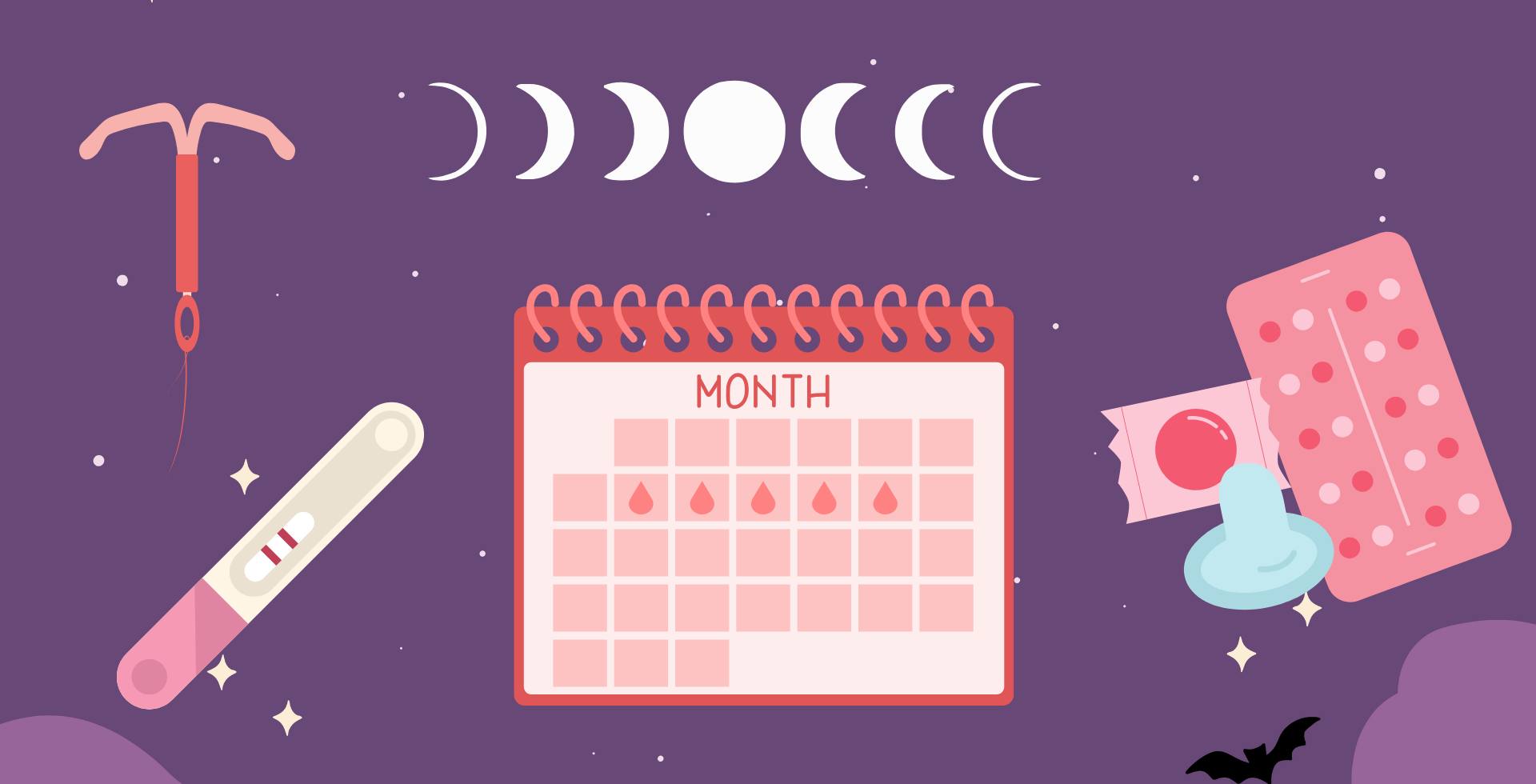
Contraception, by definition, is about methods to avoid pregnancy.
It’s a misconception that LGBTQ+ women don’t need to worry about it. The truth is, our communities include such a wide variety of people, bodies and sexual practices, so we need access to reproductive health information that speaks to our experiences, too.
This resource is a basic guide to some of the most common contraception options.
The best contraception method won’t be the same for everyone. That will depend on your own body, your preferences, your priorities and what’s accessible to you. For personalised contraception advice, visit your healthcare provider or sexual and reproductive health service.
You can also call the Healthdirect hotline (1800 022 222) or the Family Planning NSW Talkline (1300 658 886) to chat with a nurse for free.
Hormonal contraception
- The pill: Oral contraceptive pills work in a few ways — mainly by preventing ovulation and thickening the mucus in the cervix, which makes it harder for sperm to reach the uterus. The pill is about 93% effective when taken as directed by a health practitioner.
- Vaginal ring: This is a prescription soft, plastic ring which contains the same hormones as the pill, and works by stopping the ovaries from releasing an egg. The vaginal ring is placed in the vagina and can be left there for 3 weeks at a time. Many people find it easy to insert the ring themselves at home.
- Contraceptive injection (DMPA): This is a prescription injection you can have inserted in the butt cheek or upper arm every 12 weeks. The injection prevents the egg from releasing from the ovary and is required every 12-14 weeks to remain effective. Fertility can take a while to return after stopping.
Long-acting reversible contraception (LARC) – the ‘set and forget’ types
IUDs (intra-uterine devices)
- Hormonal IUD (Mirena or Kyleena): The hormonal IUD is a small device which is inserted just inside the uterus, where it releases hormones to prevent pregnancy. It can also make periods lighter or stop bleeding altogether. A healthcare provider is required to insert and remove it, and it remains effective for 5 years.
- Copper IUD: This type of IUD doesn’t contain any hormones, but it can cause heavier periods while using it. It’s a small device wrapped with copper that is placed just inside the uterus. A healthcare provider is required to insert and remove it, and they last for either 5 or 10 years.
- Contraceptive implant: This is a small rod the size of a matchstick which is placed just under the surface of the skin on the back of your arm. It is available on prescription, is effective for 3 years and needs a trained health professional to insert and remove it
Barriers
- Condoms: The most common type of condoms are placed over a penis during sex, and there are also internal condoms which are placed inside a vagina. These work by physically preventing the sperm from reaching the eggs.
Condoms are the only type of contraception that also prevent STIs.
- Diaphragm: A diaphragm is a barrier which is inserted into a vagina before sex, covering the cervix. If you’re planning on using a diaphragm, it’s recommended that you practice inserting it a few times before using it as contraception. Diaphragms do not prevent STIs.
Emergency contraception
- The emergency contraceptive pill (ECP): If you have had sex that could result in pregnancy, you can access the Emergency Contraceptive Pill (the ‘morning after pill’ or ’plan B’) from any pharmacy without a prescription.
The ECP works by preventing or delaying an egg releasing from the ovaries and/or making the cervical mucous hostile to sperm and. It does not cause abortion or any harm to an established pregnancy.There are two types of ECP:
- Levonorgestrel ECP needs to be taken within 3 days
- Ulipristal Acetate ECP needs to be taken within 5 days
Both types work better the sooner you take them. Speak to your pharmacist or GP about which option is best for you.
- Copper IUD: can also be used as emergency contraception for up to 5 days following sexual activity. They work by affecting sperm and the lining of the uterus. .
Gender-affirming hormones and contraception
Testosterone alone is not an effective form of contraception for people with a uterus, and estrogen and/or progesterone alone are not an effective form of contraception for people with penises, even after long term use.
If you are having sex that could result in unintended pregnancy, it’s important to use a method of contraception in addition to hormones.
TransHub have plenty more useful resources on hormones, contraception and fertility for the trans community.
Abortion options
Abortion is a safe and increasingly common healthcare procedure and is legal across Australia. There are two types:
- Medical abortion – involves taking prescription medication at home or in a safe place to end an early pregnancy (up to 9 weeks).
- Surgical abortion – involves a minor day procedure performed by a trained health professional in a hospital or clinic.
Costs vary between providers and states/territories, but medical abortion is generally less expensive than surgical abortion.
Medical abortion
Medical abortion can take place up to 9 weeks gestation. You may need an ultrasound beforehand if you are unsure of your period dates.
There are two medications used in an early medical abortion. The first stops the pregnancy and the second makes the muscles of the uterus contract to expel the tissue. A doctor, nurse practitioner or endorsed midwife can prescribe MS-2Step® as well as order ultrasounds and blood tests to help you plan timing, support and follow up.
Surgical abortion
Surgical abortion is easily carried out up to 12 weeks of pregnancy in a private clinic or hospital.
Abortion after 12 weeks can still be performed safely by experienced doctors, but the procedure may differ slightly and may only be available at certain clinics or hospitals depending on the laws and availability in your state or territory.
If you are getting an abortion, or supporting someone who is, you can get more information and support here:
Pregnancy Choices Helpline – 1800 008 463 (information and referral across Australia)
- Pregnancy Choices Helpline, who you can call on 1800 008 463.
- 1800 My Options, who you can call on 1800 696 784.
- Family Planning NSW Talkline, who you can call on 1300 658 886.
- Children by Choice, which is a QLD-based comprehensive online resource.
Keep reading


Or explore more on

We’ve got you covered
Your free Play Pack includes everything for safer sex, delivered discreetly because you deserve to focus on the fun stuff.